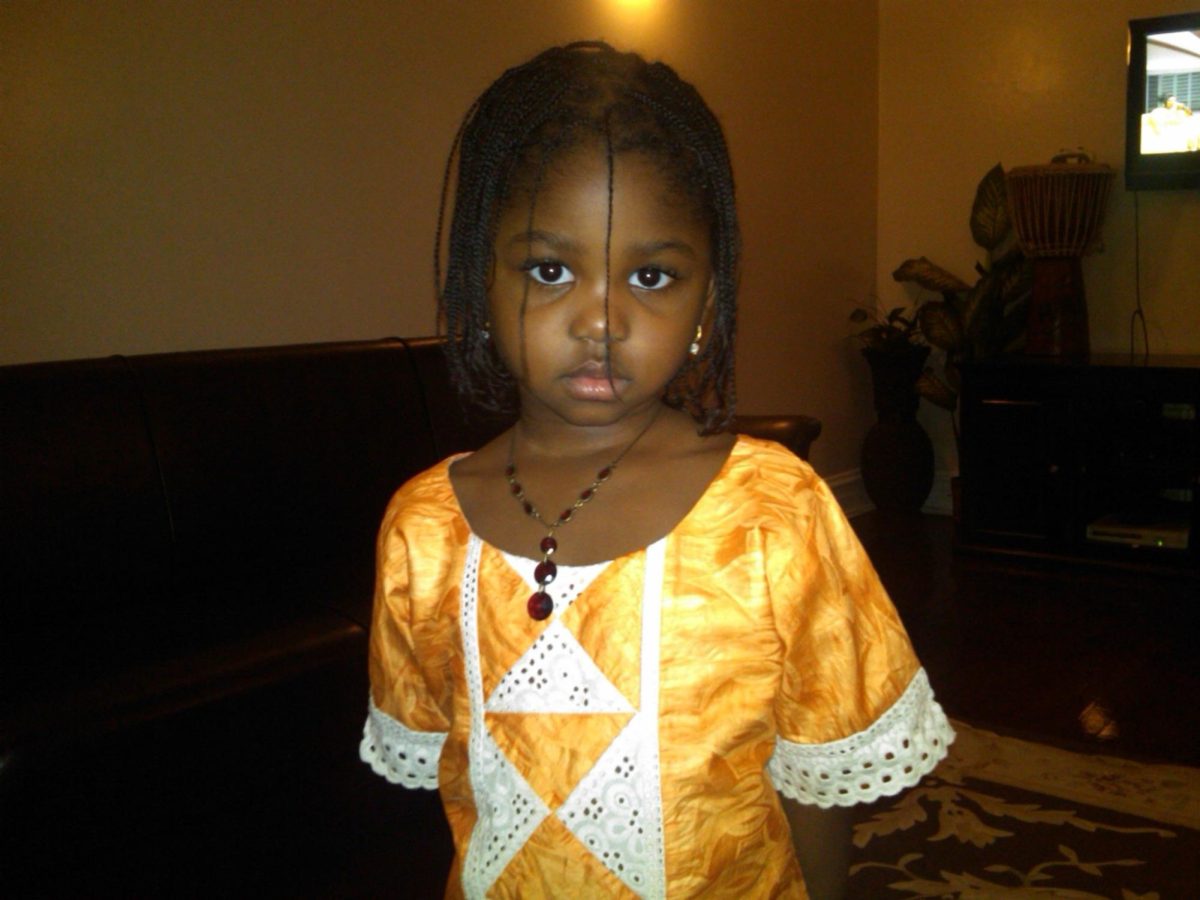

At 3 years old, I already spoke two languages: Wolof and English. I grew up switching between them without thinking, forming my thoughts in one language and finishing them in another. To me, it was completely normal, everyone around me lived the same way. Language wasn’t something I noticed, it was just there.
Years later, my world expanded when I moved to Senegal and met a third language: French. Once again, it felt natural. At home, I spoke Wolof and English. At school, French. With my friends, all three blended together. If I forgot a word in one language, it would appear in another as if my mind always had a backup plan. Language felt flexible, forgiving and alive.
That ease disappeared when I moved back to the United States. Suddenly, I was confined to English, forced to think in it, speak it and stay in it without slipping. It wasn’t necessarily difficult but something changed. My accent grew heavier when I spoke only one language full-time. At first, I thought I was imagining it, until I talked to my friends and realized they felt the same way.
At school, my accent sounded thick and unfamiliar, and I began to stutter more. Strangely, it made me feel stupid. No matter where I was, I didn’t belong linguistically. My voice felt different depending on the language I spoke. In English, I sounded childish. In French, I was more mature and I sound older. In Wolof, almost immature and funnier, at least that’s what I like to believe.
Each language seemed to unlock a different version of me, turning them into more than just tools for communication as they became different realities; different versions of me.
When I first left the United States, one of my biggest struggles was how I viewed English academically. To me, French held that role. In French, I could write a full essay on the Byzantine Empire without hesitation. In English however, I could write freely about my feelings without hesitation. This showed me how beautiful and how languages aren’t just a way of communicating but a window to another world or reality.
Even though I don’t speak Arabic yet, it is already part of my language world, adding another unseen layer to what feels like an iceberg beneath the surface. What fascinates me most is how I dream and think in all these different languages, it is both a gift and a curse.