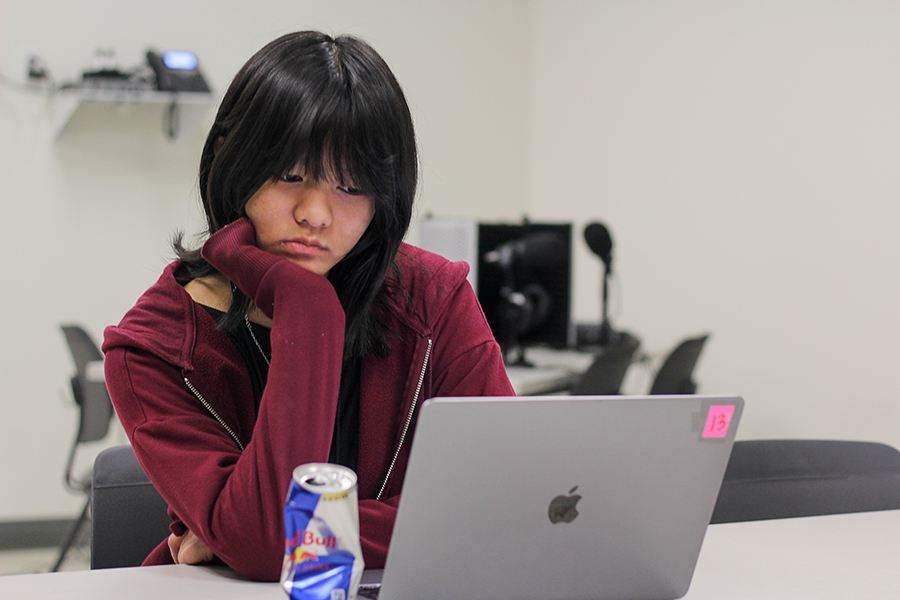
The alarm rings while it is still dark. Iced coffee and energy drinks replace breakfast while first period blurs into second. Slowly but surely, sleep becomes something students need to consistently borrow, as an hour lost turns into a night’s sacrifice for the sake of productivity. A majority of the students familiarize themselves with the repetitive routine and in the process, it increases multiple health risks.
On Jan.6, Stanford researchers introduced SleepFM, an AI model able to analyze a night’s worth of sleep and accurately predict health conditions. This was achieved by reading patterns in a person’s brain activity, breathing and movement, identifying serious illnesses such as heart disease before the symptoms even appear. Although this new technology can help modern healthcare progress and prevent dire consequences, the source raises concerns, especially regarding students.
According to Harvard’s Division of Sleep Medicine, more than 87% of high school students in the United States do not get the recommended amount of sleep, mostly because of academic pressure. Students are forced to finish assignments late at night, balance work life with personal life, and still show up ready to learn and grasp every new material.
What makes this unsettling is not the presence of AI, but the absence of care from teachers, institutions and school boards. Schools meticulously track grades, attendance and test scores, yet choose not to research the conditions that make learning exhausting in the first place. Acknowledging mental health issues among the youth while normalizing schedules that actively undermine it is ironic.
As stated by the founder of the Stanford Sleep Disorders Clinic, William Dement, high school students are especially vulnerable to the effects of sleep deprivation.
“I think high school is the real danger spot in terms of sleep deprivation,” Dement said. “The first of its kind in the world. It’s a huge problem. What it means is that nobody performs at the level they could perform, whether it’s in school, on the roadways, on the sports field or in terms of physical and emotional health.”
In a way, the system teaches rest is optional and exhaustion is evidence of effort. If one night of sleep can reveal early signs of disease in adults, then years of interrupted, insufficient sleep during adolescence should not be brushed aside as harmless nor should it be normalized. Students are still developing neurologically, emotionally and physically.
SleepFM serves more as a confirmation rather than serving as a futuristic tool. How can a person be told to prepare for the future while being trained to neglect themselves and their health? If education is meant to prepare students for the future, then protecting sleep should not be treated as a luxury or a personal responsibility alone. It should be a priority built into the structure of school itself. When even machines can tell students are not getting enough rest, continuing to ignore it is no longer ignorance but a rather damaging choice.