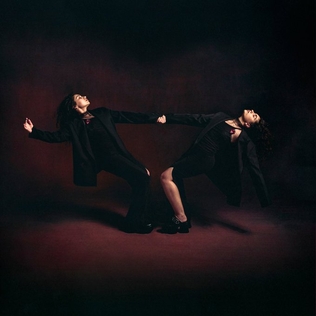
Mitski, an indie rock Japanese American artist known for her raw and devastating lyricism, released her new album, “Nothing’s About to Happen to Me,” on Friday, Feb. 27. The work arrived three years after her previous release and demonstrated a noticeable stylistic shift. This time, she expanded beyond her earlier indie rock foundations and took inspiration from southern American, celtic and other influences.
Opening with “In a Lake,” the song establishes the overall mood of the album. Backed by the double bass and orchestral arrangements, the song is full of tension with a conflicting desire to escape and begin again. The artist writes, “I’d never live in a small town, I’ve made too many mistakes,” before later insisting, “In a big city, you can start over.” The progression captures the uneasy feelings of becoming too familiar with an environment, “And everywhere you go makes your heart ache,” emphasizing again why the artist desires to leave. The need for a new start resonates with audiences who are either moving away to college, finding a new job in a city or simply finding a new town to settle in, allowing the song to resonate with listeners who share the same feelings.
The second track, “Where’s My Phone,” which was released Jan. 16 ahead of the album, transitions into a chaotic tone compared to the previous song. The instrumentation is urgent and restless, mirroring lyrics such as, “I keep thinking surely somebody will save me, at every turn I learn that no one will.” The repeated question, “Where’s my phone?” becomes symbolic in representing connection and rescue, yet its repeated absence reinforces isolation. Rather than offering salvation, the modern lifeline feels unreliable in the artist’s narrative.
Midway through the album, “I’ll Change for You” stands out for its change of tone. Despite its emotionally heavy lyrics, the song carries an upbeat jazz arrangement featuring various instruments such as the trumpet, flugelhorn, trombone and french horn. The lively instrumentation creates a sharp juxtaposition with lines such as, “Number one, I’ll be dressed like your best idea,” and “I will be somebody else.” As she counts through self-imposed rules in a desperate romantic gesture, Mitski details the willingness to erase herself for love. The optimistic melody and chord progression mocks the desperation in her voice, underscoring the tension between performance and sincerity.
“Charon’s Obol” is the album’s 10th track, and it fully embraces the project’s folk influences. The banjo lines and Anglo-Celtic inspired melodies worked nicely with the low choir of male voices. The song references the mythological coin placed in a mouth to pay passage to the underworld, framing the house in the lyrics as both sanctuary and grave. In lines such as, “Her heart was like a drawer, she only opened when she went something new,” Mitski portrays guarded vulnerability. The house becomes stigmatized, marked by the memory of girls who died there, yet the narrator chooses to remain, suggesting care and persistence may redeem what feels cursed.
Overall, “Nothing’s About to Happen to Me” is an 8/10. The album wavers between old and new influences, but its creativity and emotional expression remain compelling. Not every experiment landed completely clean. At times, the shift toward Americana clashed with echoes of her earlier work, creating moments that feel stylistically uneven. However, Mitski continues to draw from her signature theme of romantic delusion, reflecting an artist who’s willing to test new forms while holding onto the vulnerability that defines her work.